
Quick Facts
- The Verdict: Atmospheric horror games rely on mood, sound design, and psychological dread rather than cheap jump scares or heavy action mechanics to create an unforgettable experience.
- Who Is This For: Ideal for players seeking immersive world-building and ambient tension, in which the environment itself is the primary antagonist, entirely bypassing the panic of high-action chase sequences.
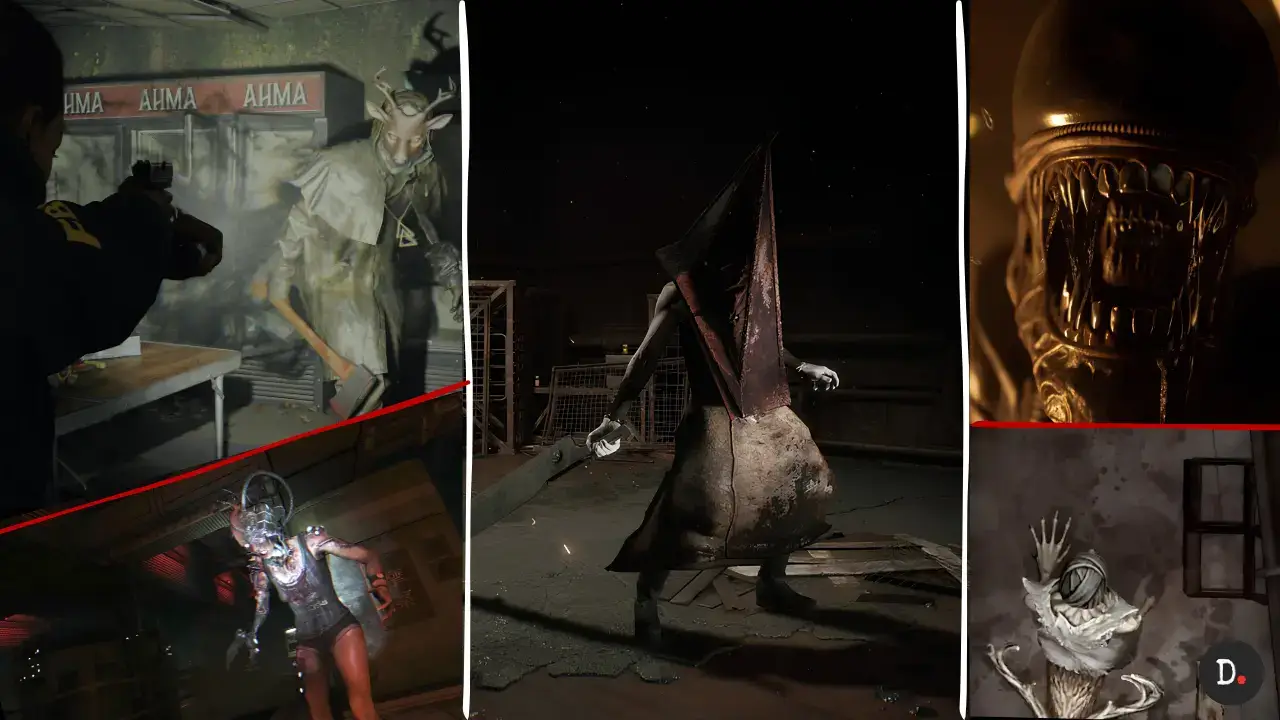
- Top Quintessential Titles: Silent Hill 2 (Psychological Masterclass), Alien: Isolation (Sci-Fi Tension), Darkwood (Oppressive Top-Down Survival), Alan Wake 2 (Cinematic Surrealism), and SOMA (Existential Sci-Fi Dread).
Top Recommendations: The Best Atmospheric Horror Games
Silent Hill 2 Remake: A Psychological Masterclass
- Developer: Konami/Bloober Team
- Perspective: Third-Person
- Core Elements: Heavy fog, decaying architecture, static radio, and profound melancholy.
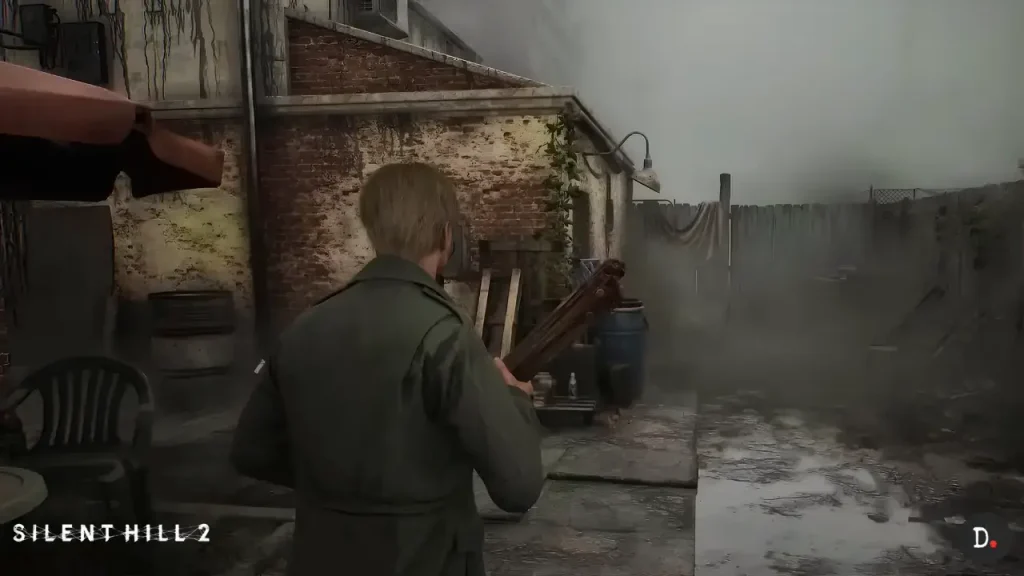
Silent Hill 2 remains an undisputed blueprint for psychological dread. It traps you in a heavy, suffocating fog that restricts vision to a few feet, forcing you to rely on the terrifying static of a broken radio to detect nearby danger. The town acts as a living mirror reflecting the broken psyche of its protagonist.
Alien: Isolation: Relentless Sci-Fi Tension
- Developer: Creative Assembly
- Perspective: First-Person
- Core Elements: Sevastopol Station, adaptive Xenomorph AI, retro-futuristic CRT aesthetics.
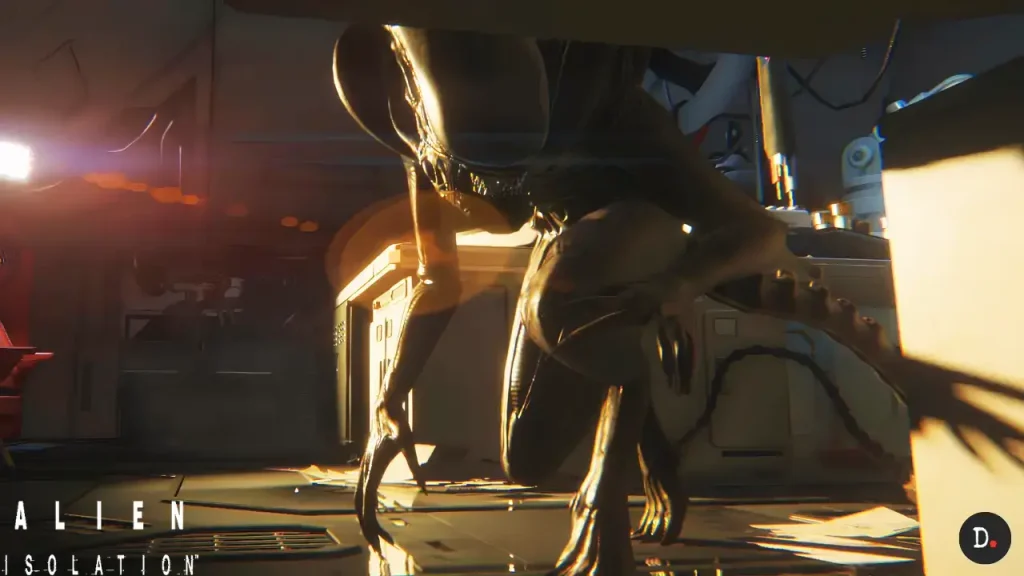
Trapped on the failing Sevastopol Station, players are hunted by a single, highly adaptive Xenomorph. Because the creature learns your movement patterns, the atmosphere is defined by nerve-wracking unpredictability, making it one of the most remarkable immersive horror games ever designed.
Darkwood: Oppressive Forests and Resource Scarcity
- Developer: Acid Wizard Studio
- Perspective: Top-Down 2D
- Core Elements: Restrictive field of view, makeshift barricades, nocturnal terror.
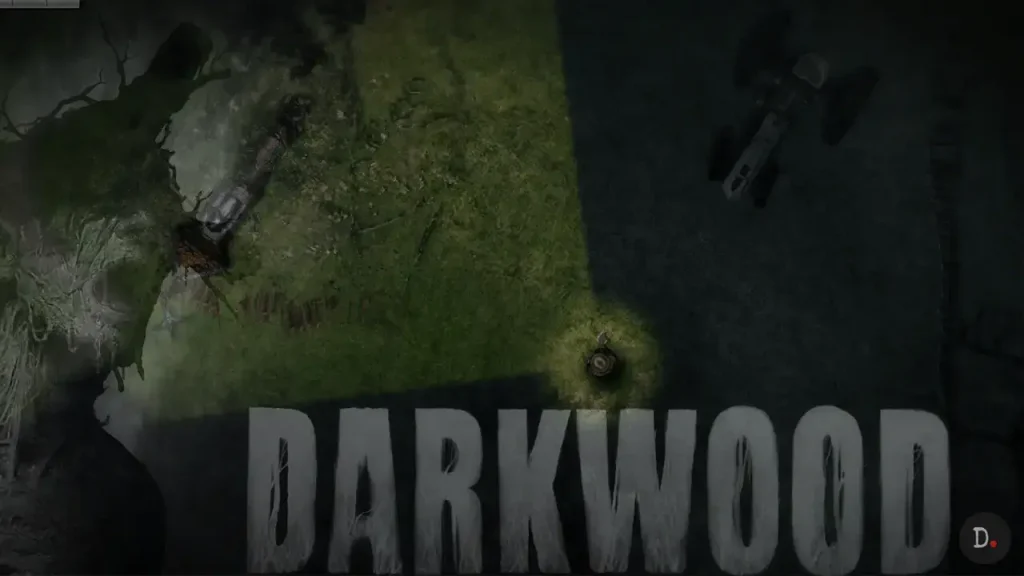
Darkwood proves that a top-down perspective can be deeply terrifying. Set in a macabre, inescapable forest, players scavenge by day and frantically barricade their hideouts by night as unseen horrors lurk just outside the wooden planks.
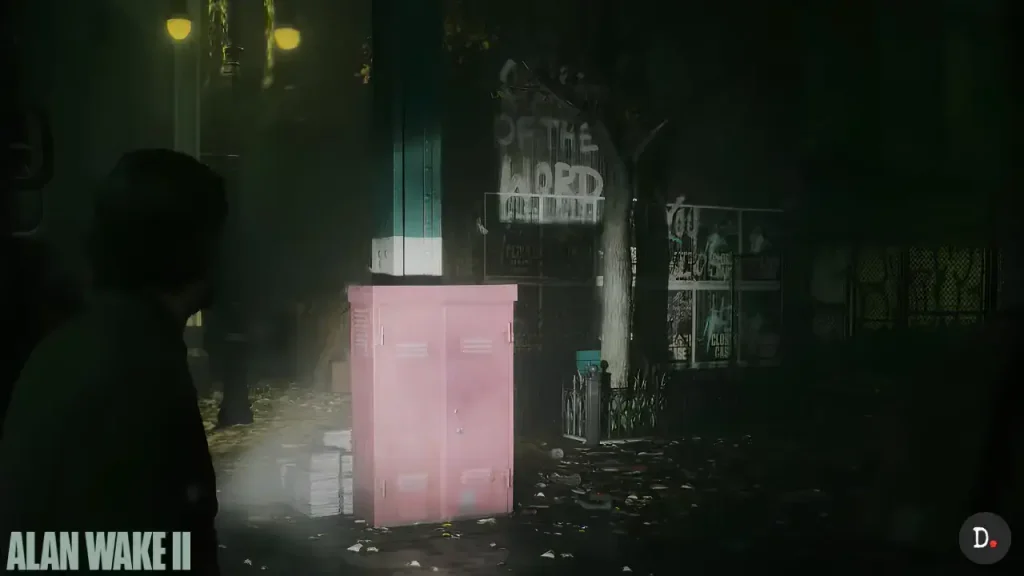
Alan Wake 2: Cinematic Surrealism
- Developer: Remedy Entertainment
- Perspective: Third-Person
- Core Elements: Dense Pacific Northwest woods, live-action transitions, detective noir logic.
Blending grounded, rainy small-town investigations with neon-drenched nightmare logic, Alan Wake 2 stands out as one of the most visually stunning cinematic horror games in modern history, balancing surreal environments with deep narrative tension.
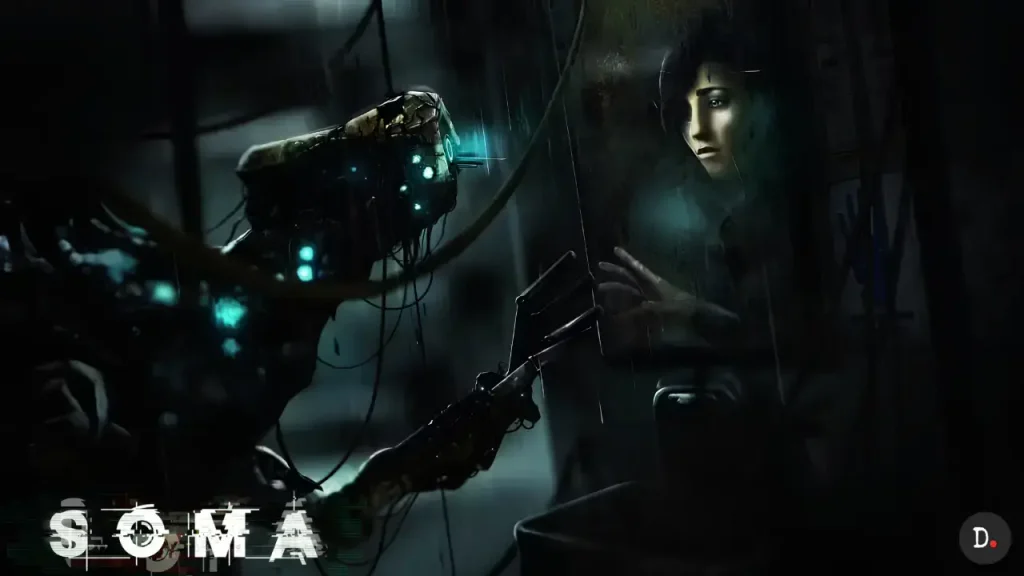
SOMA: Existential Dread at the Bottom of the Ocean
- Developer: Frictional Games
- Perspective: First-Person
- Core Elements: PATHOS-II facility, underwater pressure, corrupted AI, identity horror.
Set inside the decaying underwater research facility PATHOS-II, SOMA uses the crushing weight of the deep ocean to amplify its existential themes. The ambient sound of groaning metal and failing machinery transforms the facility into a claustrophobic tomb.
What Defines an Atmospheric Horror Game?
Not every horror fan wants to spend their evening sprinting down corridors while a monster breathes down their neck. For players looking to escape the physical stress of fast-paced action, atmospheric horror games offer a deeply immersive alternative. These titles weaponize the environment itself, replacing cheap shocks with slow-burn dread, rich world-building, and sophisticated sound design.
The Architecture of Dread and Liminal Spaces
At the core of any great ambient horror game is spatial design. Developers leverage architectural decay, dim lighting, and empty transitional zones to induce psychological unease. For deep dives into related subgenres, check out our Indie Psychological Horror Games article.
Audio Engineering: Frequencies, Silence, and Sound Design
The true hallmark of the best atmospheric horror games is how they handle audio. When developers remove loud, sudden noises, they build tension through subtle elements like the hum of failing machinery, distant footsteps, or distorted radio frequencies.
The Progression of Psychological Dread: A Step-by-Step Breakdown
To understand how these titles manipulate the human mind without relying on constant action, examine the typical progression of an atmosphere-driven horror experience:
- The Establishment of the False Safe Room: The game introduces a quiet, comforting environment (such as a lit cabin or a foggy forest trail) to lower the player’s guard.
- The Introduction of Auditory Anomalies: Subtle audio cues, like distant scraping, wind through hollow pipes, or static feedback, begin to disrupt the ambient calm.
- Environmental Degradation: Lighting sources flicker and fail, and the architecture shifts subtly to disorient spatial awareness.
- The Climax of Isolated Paranoia: The player is left completely defenseless or severely resource-constrained, realizing that the environment itself is hostile.
Frequently Asked Questions (FAQ)
Are there atmospheric horror games without combat?
Yes. Many titles lean heavily into exploration and storytelling, removing combat entirely or offering dedicated “safe modes.” These experiences focus strictly on environmental tension, aligning closely with our favorite Indie Psychological Horror Games selections.
Do atmospheric horror games rely on jump scares?
No. While sudden frights may occur organically, true atmospheric titles prioritize continuous psychological dread, mood, and sound design over cheap visual shocks.
What platform is best for playing atmospheric horror titles?
While major consoles offer high-end cinematic experiences like Alan Wake 2, PC platforms (including Steam and itch.io) remain the premier hub for discovering experimental, ambient indie horror masterpieces.
What makes atmospheric horror different from traditional survival horror?
While traditional survival horror often relies on resource management, inventory puzzles, and combat against predictable enemies, atmospheric horror games prioritize mood, world-building, and ambient audio to induce dread without necessarily forcing you into constant fights.