
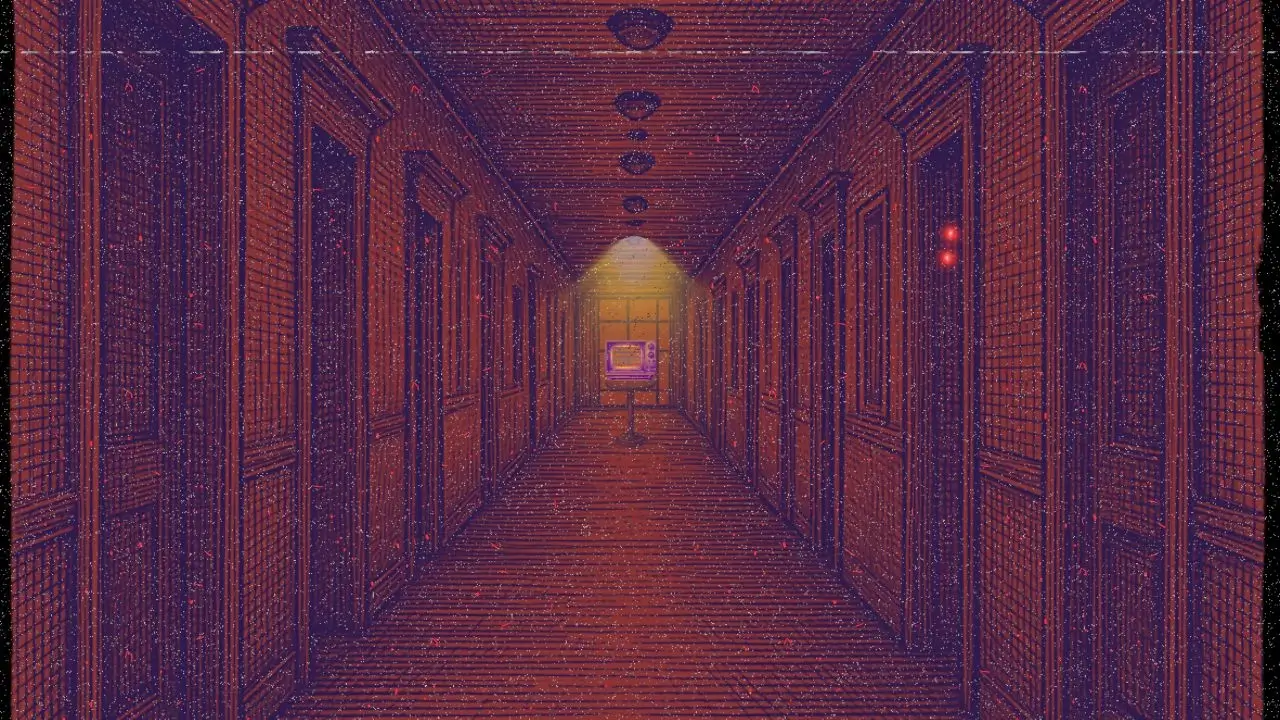
There is a unique kind of dread reserved for psychological horror games. Unlike big, action-heavy titles where you can eventually shoot your way out of an intense situation, these nightmares make you feel that you have little power to face what’s coming. They get into your mind, turning the simple and mundane into a terrifying experience.
Top 5 Indie Psychological Horror Games at a Glance:
- Iron Lung
- Signalis
- Slay the Princess
- Visage
- ANATOMY
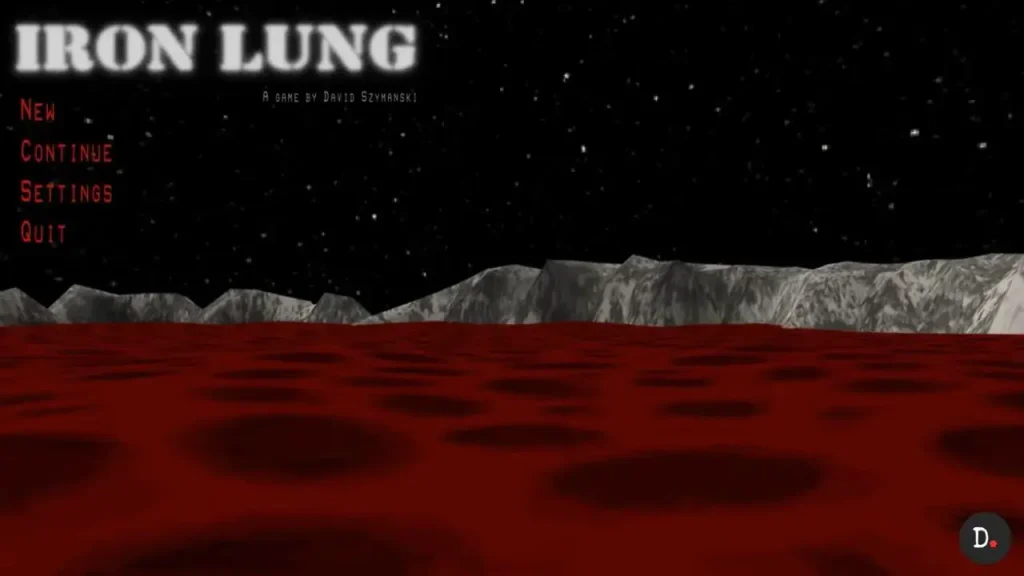
1. Iron Lung
Set in a future where all stars and habitable planets have vanished, you are a convict sealed inside a rusted submarine with no windows, exploring an ocean of human blood on a desolate moon. You navigate entirely by coordinates and a grainy, slow-to-update external camera.
Why the game is terrifying: The claustrophobia is suffocating. You cannot see outside; you can only hear. The sound design basically carries the entire experience: the groaning of the hull under intense pressure, the mysterious blips on your proximity sensor, and the horrifying sensation of something moving in the blood ocean outside.
It masterfully uses anticipation against you and proves that an indie game’s simplicity heavily influences its terrifying atmosphere.
2. Signalis
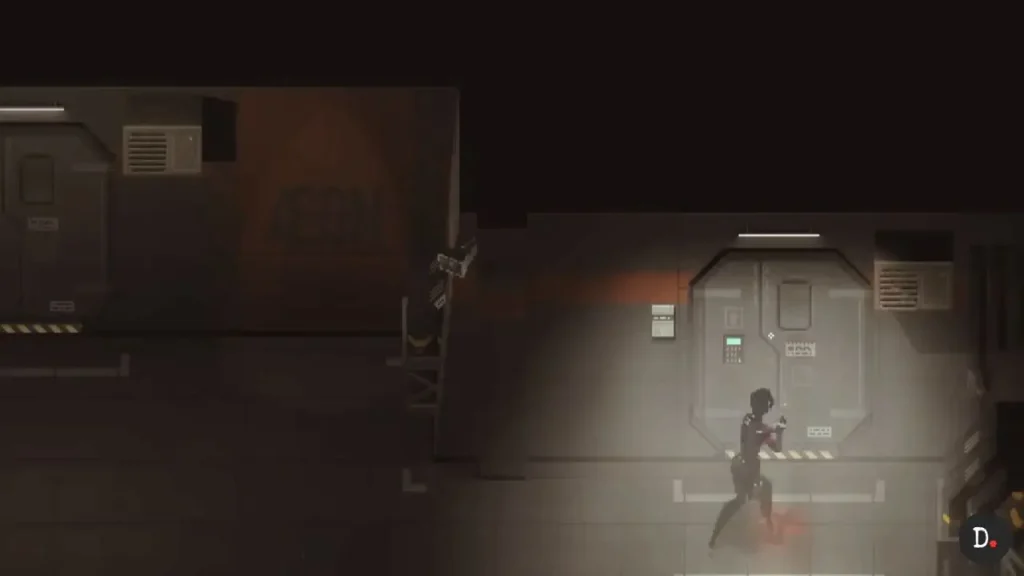
This is a love letter to classic PS1 survival horror games. Signalis blends retro aesthetics with cosmic, David Lynch-style surrealism. You play as a Replika searching for her lost Gestalt partner in a doomed mining facility.
Why this game is terrifying: The atmosphere is oppressive, blending retro-futurism with a creeping, existential melancholy. The psychological horror lies in the fragmented narrative and the terrifying implication of losing one’s identity, wrapping a cold, psychological sci-fi story around memory.
The sound design, whirring machinery, harsh industrial alarms, and static-laced radio frequencies, slowly makes a hole directly into your anxiety center.
3. Slay the Princess
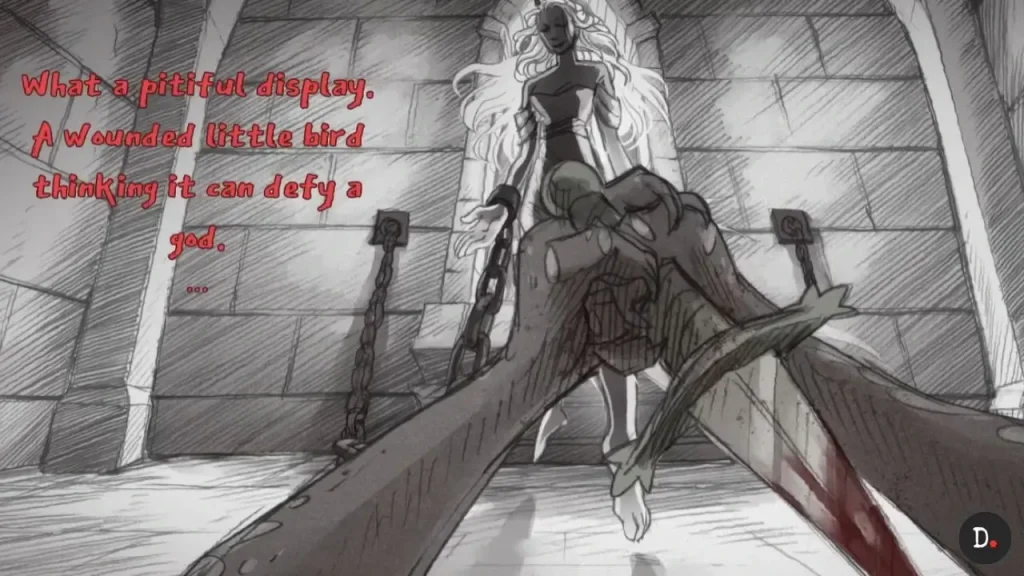
This narrative horror visual novel plays tricks with your mind and choices. You are given a simple directive, but the game quickly destabilizes you by making you realize that what you thought you understood about the game wasn’t real after all.
Why this game is terrifying: Slay the Princess turns the act of choosing itself into a pristine knife meant for one task and one task only. The writing is deeply unnerving, backed by incredibly intimate performances.
The branching narrative lands with a kind of heavy existential weight rather than just feeling like extra content to consume.
4. Visage
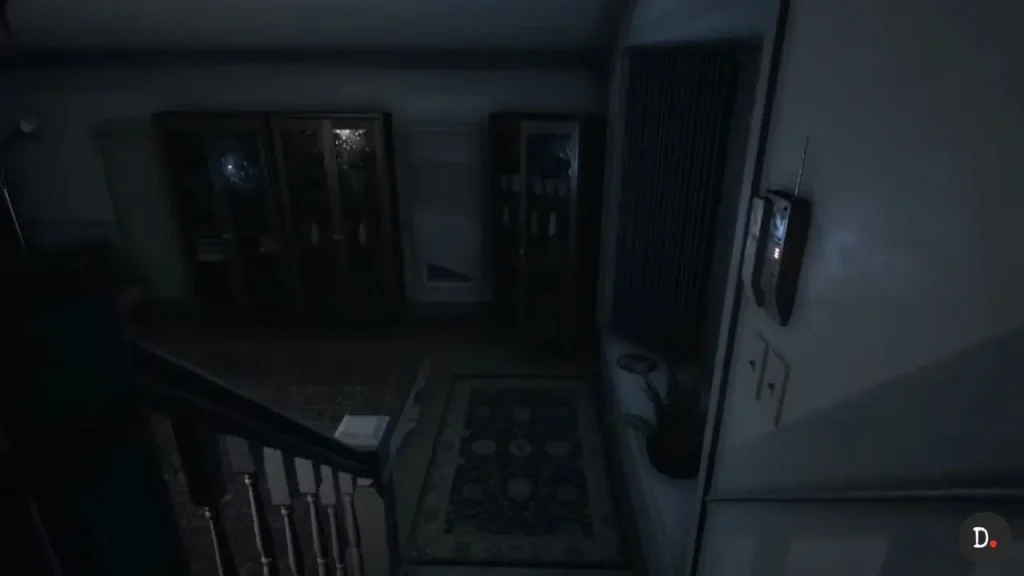
Visage drops you into an ever-changing suburban house with a horrific history. You are left to explore a massive home where terrible events have happened, events so horrible that the entities remain trapped inside to haunt and hunt you down.
Why this game is terrifying: It is a master of environmental tension. The house feels fundamentally malevolent, and the game does a greatful job of keeping you in pure apprehension as you wonder about unexplained noises and what lurks around the next corner.
The sound design is excruciatingly detailed and painful, creaking floorboards, distant crying, and the startling sound of a lightbulb blowing out right when you need it most.
5. ANATOMY
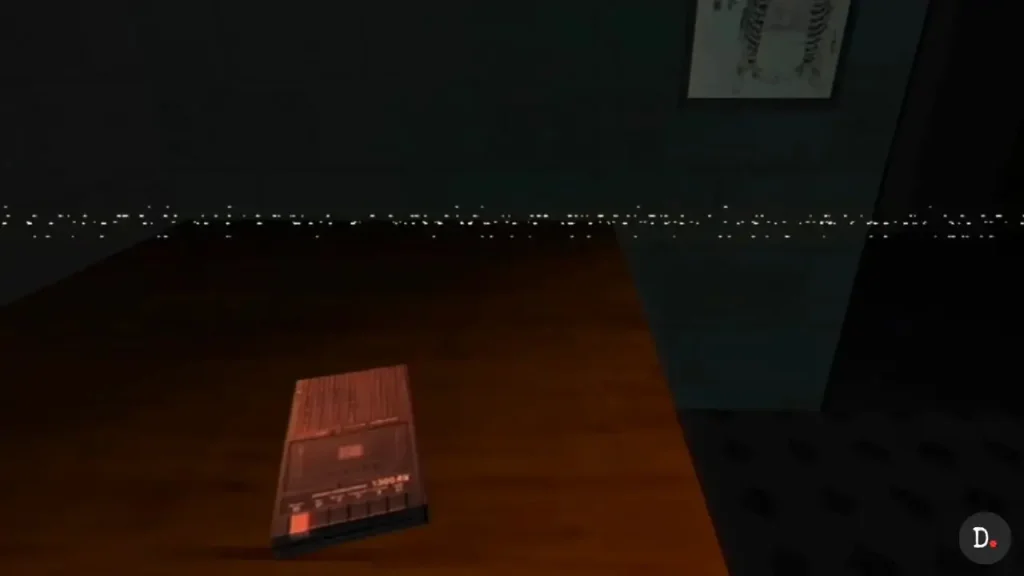
It is hard to say too much about this one without ruining the experience; honestly, just don’t look anything up and experience it for yourself. Anatomy doesn’t rely on jumpscares; it relies on architecture. It treats the suburban home not as a shelter, but as a living, breathing organism that slowly grows to hate you.
Why this game is terrifying: The horror lies purely in the atmosphere and how the house correlates to one’s body. The sound design is an absolute masterclass in paranoia: the muffled thumps from upstairs, the looping, distorted audio logs, and the heavy silence that follows.
It plays brilliantly on our primal fear of the unknown, proving that a familiar environment is the most dangerous place of all.
Why These Games Matter
The best indie psychological horror games understand that the most horrifying monster isn’t the one chasing you down a hallway; it’s the creeping realization that your own mind is turning against you. As one passionate horror fan perfectly noted, the true terror surfaces when “there aren’t actual threats, or the threats are very tame, but they’re still scary and very atmospheric“.
By trading high-budget polish for raw, unadulterated atmosphere and boundary-pushing narratives, indie developers are currently crafting the top psychological horror games on the market.
Echoes from the Horror Community: Opinions and Suggestions from Reddit
I spend a lot of time analyzing these games, but sometimes the best recommendations come directly from the dark corners of the internet. Recently, I was reading through a community thread on Reddit that perfectly captured why we gravitate towards this specific niche.
One player summed it up brilliantly: they realized their fear wasn’t of the horror itself, but the panic of being chased down a hallway. “I felt my blood get hot and like I was gonna pass out,” they wrote. “So I’ve gotten quite the liking for psychological horror since most times there aren’t actual threats, or the threats are very tame, but they’re still scary and very atmospheric.”
That need for pure, uninterrupted atmosphere without the constant threat of a “game over” screen resonated deeply with players, leading to a massive outpouring of hidden indie gems. If you’re looking to expand your library beyond this top 5 of best indie psychological horror games, here are some of the most fascinating community-curated nightmares:
- The Trauma Explorers: A massive standout is Nevermind, a game where you play as a therapist physically entering the mindscapes of your patients to untangle the sources of their psychological trauma. If you want something purely focused on the mind, this is exactly what you are looking for.
- The Emotional Heavyweights: Games like OMORI, Little Misfortune, Fran Bow, and Milk inside a bag of milk inside a bag of milk were highly praised. However, consider this a content warning: these games might look deceptively simple or stylized, but they tackle incredibly heavy topics like mental illness, addiction, and grief. They will hit you hard in the emotions.
- The Atmospheric “Walking Sims”: For those who want to soak in the dread without combat, the community highly recommends some of the best atmospheric horror games, like the works of indie developer David Szymanski (like The Moon Sliver and The Music Machine). Titles like Sagebrush and Layers of Fear also shine here, tasking you with piecing together past events rather than running from immediate threats.
- The Surreal & Existential: You can’t talk about psychological dread without mentioning SOMA (the golden rule: don’t read anything about it, just play it) or the incredibly unsettling dream that is Paratopic.
- The Raw Indie Underground: The beauty of the indie horror community is the raw passion of solo developers. Players are currently championing deeply obscure titles like Inmost, The Cheating Demon, and even incredibly niche, free visual novels created by community members themselves, like Vacation Terminal.
The consensus is clear: the most terrifying games aren’t the ones that make you jump; they’re the ones that make you sit in the dark, entirely alone, questioning what you just experienced.
The Verdict
Indie psychological horror games are the ones that stay with you. They don’t need million-dollar budgets or Hollywood voice actors; they just need a dark room, a pair of headphones, and a fundamental understanding of what makes the human mind break.
Whether it’s the claustrophobic dread of Iron Lung or the architectural hatred of Anatomy, these games prove that the independent scene is the undisputed king of modern terror.
What game has lived rent-free in your nightmares? Did we miss a hidden gem that shattered your psyche? Drop your dark logs in the comments below.
I think Darkwood is a really good game. I haven’t finished it yet, but so far it’s incredible. I will have to try some of these that you just mentioned!